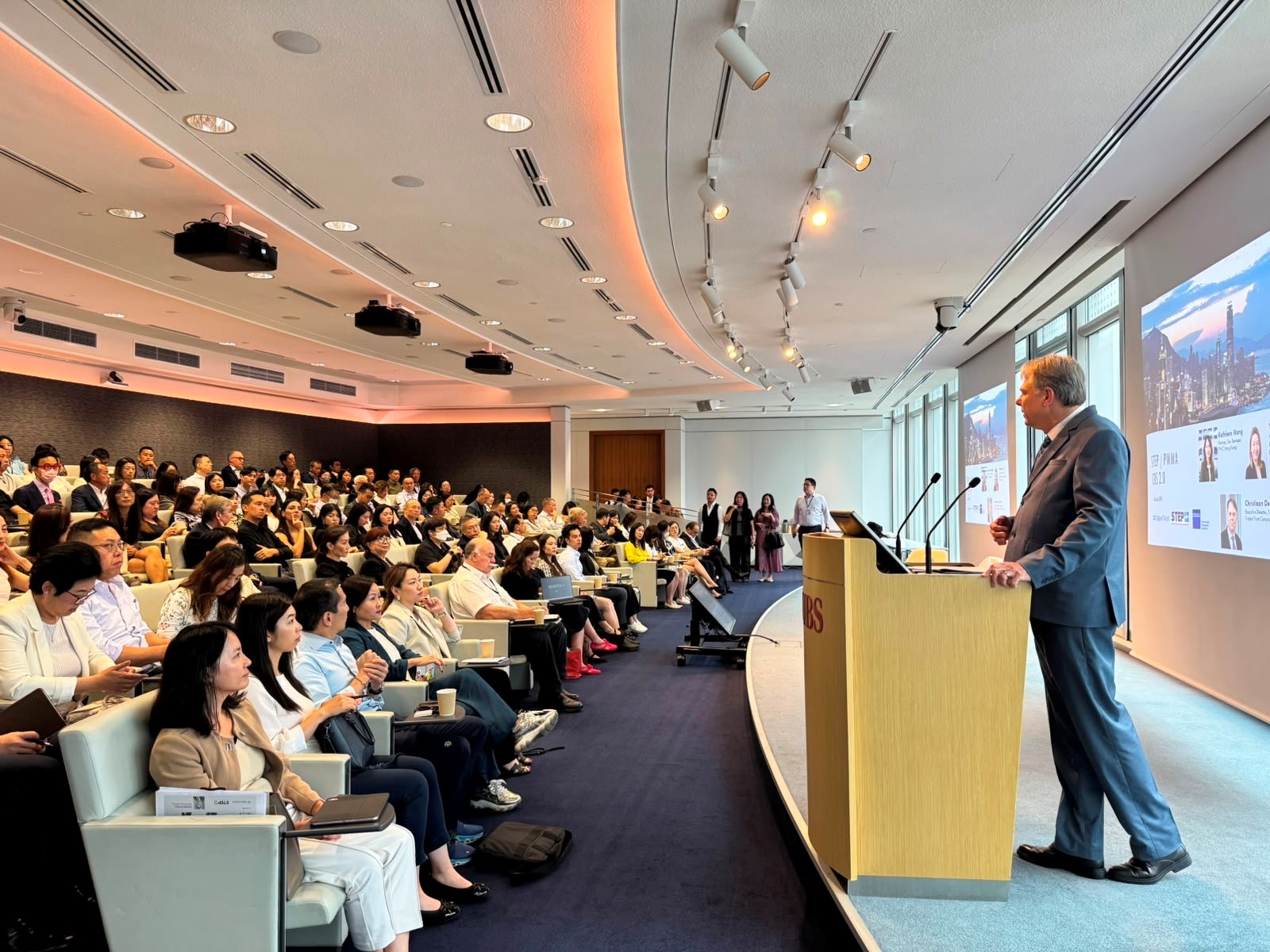
We were delighted to partner with Society of Trust and Estate Practitioners (Hong Kong) Limited on a highly anticipated training session on CRS 2.0, with more than 140 attendees joining us in person amid strong industry interest.
The session opened with Christiaan de Bruyn (Trident Trust) and Kathleen Wang (PwC) providing a practical overview of the evolving regulatory landscape, covering developments from CRS 1.0 to CRS 2.0, Hong Kong’s proposed implementation timeline, the introduction of the Crypto-Asset Reporting Framework (hCARF), and the key preparation steps firms should be considering today.
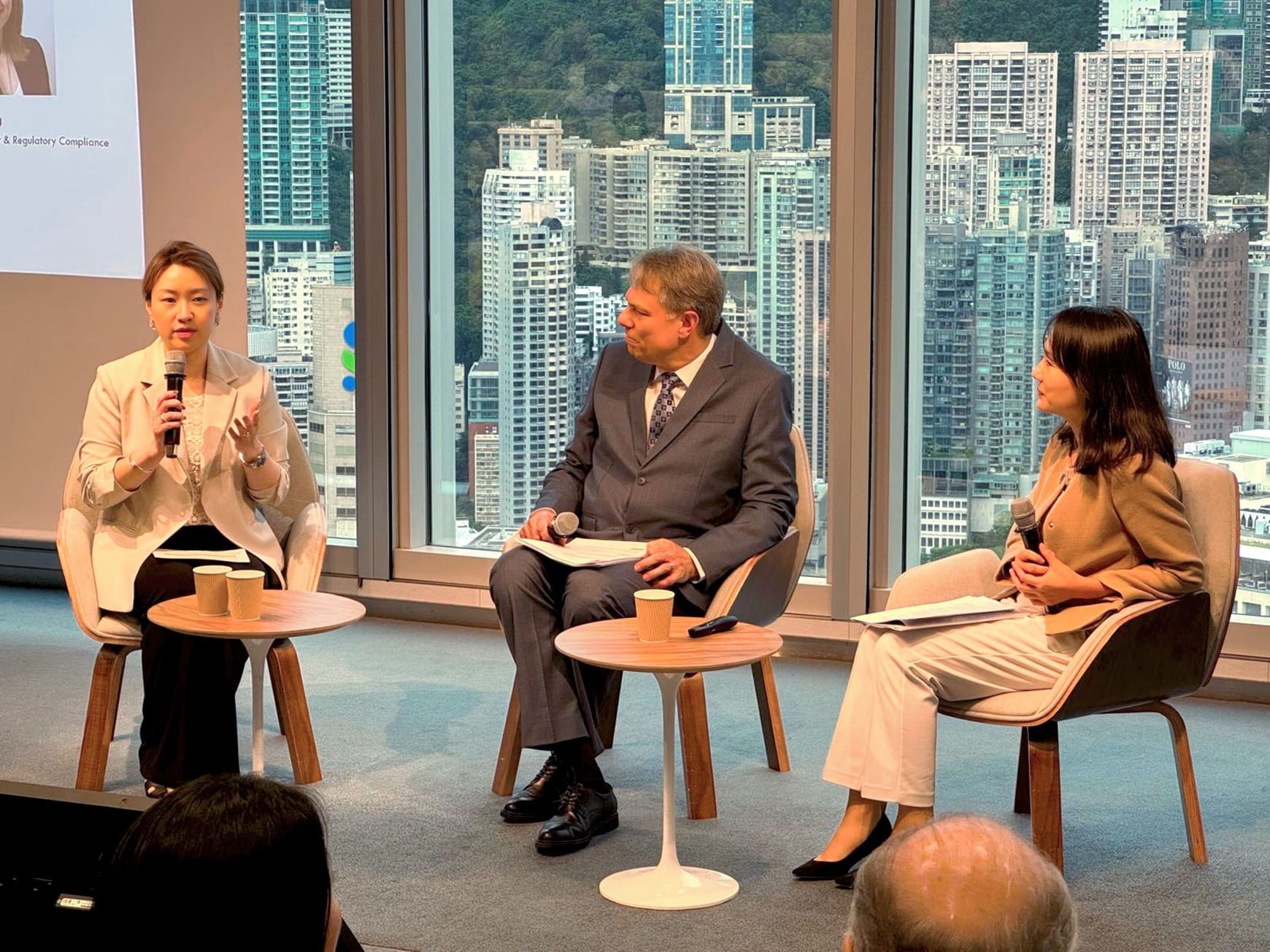
The discussion was then brought to life through an engaging panel moderated by Yolenda Yu (EFG Private Bank), which explored both the operational and strategic implications of the upcoming changes.
Several themes emerged throughout the session:
Enhanced Due Diligence – CRS 2.0 requires stricter verification; reliance on self‑certification alone is no longer sufficient.
Business Impacts – While CRS 2.0 and CARF introduce additional reporting requirements, they remain information-exchange frameworks rather than tax-levying regimes.
Regulatory Guidance – including anticipated IRD guidance notes and FAQs, will play an important role in supporting implementation
Financial institutions should begin reviewing existing processes, documentation, and client onboarding workflows in preparation for implementation
A key takeaway from the discussion was the importance of early preparation. As firms navigate an increasingly complex reporting environment, proactive planning and a clear understanding of the evolving requirements will be critical to achieving a smooth transition.
Our sincere thanks to STEP, our speakers, panellists, and all attendees for contributing to such an informative and engaging session.